
BUY NOW · PAY LATER · SPLIT INTO 4

RESOURCES

Words & books for the path.

Articles by Jackie and recommended books on trauma, chronic pain, the nervous system, and the body's quiet wisdom.

ARTICLES

Original writing on the work Jackie does — meant to be read slowly.

Chronic Pain and PTSD
02 · Article

Chronic Pain and PTSD

How the nervous system's protective patterns keep us stuck in pain loops — and how somatic bodywork breaks the cycle.

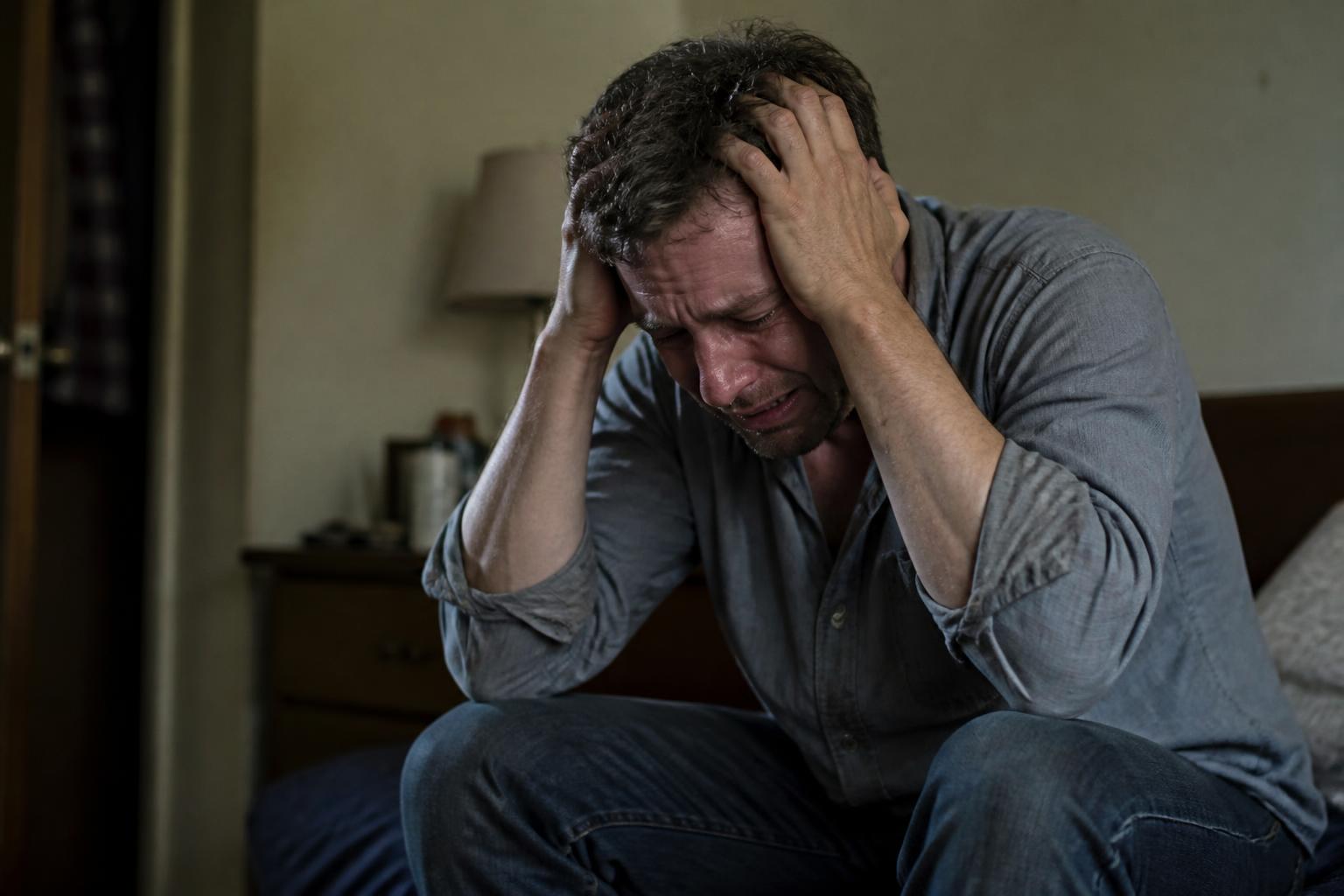
PTSD is not only a mental-health diagnosis. It is a full-body state. The nervous system, once flooded with overwhelming experience, learns to stay on guard — and that guarding lives in the muscles, the fascia, the breath, the gut.

This is why people with PTSD so often live with chronic pain, migraines, jaw tension, IBS and digestive issues, sleep disturbance, and exhaustion. The body is still running the protection program long after the threat has passed. Talk therapy alone often cannot reach it, because the protection patterns are stored below conscious thought, in the soft tissue and the brainstem.

Bodywork that meets the nervous system with patience — not force — gives it a different message: it is safe to come down. Through focused Gua Sha, myofascial release, trigger-point therapy, and intuitive touch, the protective tension begins to soften. The breath deepens. The pain begins to lift.

For first responders, veterans, survivors of assault, and athletes carrying years of impact, somatic release work is not a luxury. It is often the missing piece between years of treatment and actual recovery.

The Effects of Complex Childhood Trauma
03 · Article

The Effects of Complex Childhood Trauma

Childhood imprints don't disappear — they get stored in the body until they're safely released.

Children survive what they cannot escape by adapting their bodies. Shoulders pulled up. Diaphragm locked. Pelvis tucked. These postures begin as protection and become, in time, the shape an adult lives in.

Complex trauma in childhood — repeated, relational, inescapable — shows up later as anxiety, autoimmune flares, chronic fatigue, hypervigilance, perfectionism, and a body that never quite feels at home. The adult often doesn't connect the symptoms to the original cause; the body never forgot.

The healing is somatic. It is the slow, respectful work of returning to the parts of the body that had to go quiet, and letting them tell their story now — at a pace the adult system can finally hold. Jackie's approach weaves myofascial release, Trigger Point Therapy, and Traditional Chinese Gua Sha into a single intuitive session that is calibrated to your nervous system, not a protocol.

What changes after a session: clients often describe feeling lighter, more present in their own skin, more able to breathe, and — for the first time in years — less afraid of their own body.

PTSD vs. Complex PTSD
04 · Article

PTSD vs. Complex PTSD

Understanding the distinction matters for choosing the right somatic path to healing.

PTSD typically follows a single, identifiable event — an accident, an assault, a loss. The symptoms cluster around that event: intrusive memories, avoidance, hyperarousal, sleep disturbance.

Complex PTSD (C-PTSD) comes from prolonged, repeated trauma — often beginning in childhood, often within relationships that were supposed to be safe. It carries the same symptoms, plus deep wounds in identity, emotional regulation, self-worth, and trust. The body holds it as a constant baseline rather than a flare.

Both deserve care. Both respond to somatic, fascia-aware bodywork. The difference matters because complex PTSD needs a longer, gentler runway — and a practitioner who understands that the body has been holding this for a very long time and will not be rushed.

Jackie's Sacred Healing Session is a 3-hour intensive specifically designed for clients carrying long-held trauma.

The Mother Wound: How It Shapes Your Self-Worth and Emotions
05 · Article

The Mother Wound: How It Shapes Your Self-Worth and Emotions

How your relationship with your mother — or the woman who raised you — quietly shapes the way you see yourself, express your emotions, and feel about your worth.

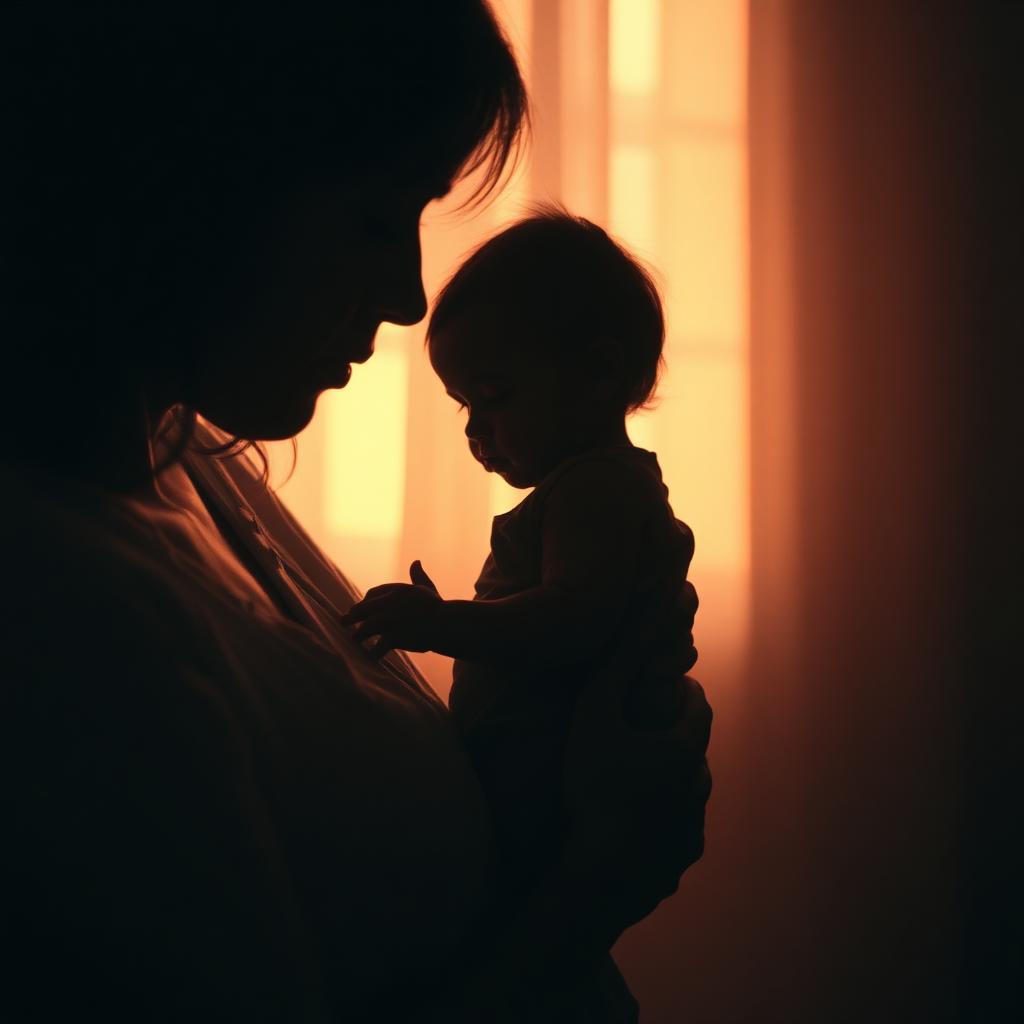
The mother wound comes from how your relationship with your mother — or the person who acted as your mother — impacted the way you see yourself, express your emotions, and feel about your worth.

I have observed this wound up close and personal, having been raised by a mother and a paternal grandmother who both expressed feeling motherless in their own lives, yet somehow managed to show up for me in the most loving, gentle ways.

It makes me wonder why they were so full of love toward me and my siblings. Were they careful not to repeat history? Growing up, I would have never guessed it was something they hadn't felt themselves, because I enjoyed them so much as a parent and a grandparent. Still, let's dive deeper and take into account the full spectrum of all of our mothers and grandmothers.

How the Mother Wound Develops

The mother wound often forms when mothers carry unresolved pain or the weight of societal pressures. That can lead to patterns such as emotional unavailability — when a mother struggles to handle her own emotions, she may seem distant, leaving the child feeling unsupported. It can show up as overbearing control, when a mother tries to manage her child's life to avoid her own fears of failure or inadequacy. And it can take the form of self-sacrifice — a mother who suppresses her own needs at all costs may unintentionally teach her children to do the same, passing down a pattern of neglecting oneself.

Signs of the Mother Wound in You

It can look like feeling the need to constantly prove your worth to others. Difficulty setting boundaries or saying "no" without guilt. Hypervigilance — always feeling on edge, watching for signs of conflict or rejection. Struggling with low self-worth, or carrying a quiet fear of being abandoned in your closest relationships.

Healing the Mother Wound

Acknowledge the patterns. Start by recognizing how your relationship with your mother shaped your beliefs about yourself and your emotions. Practice self-compassion — remind yourself that your worth isn't tied to external validation. Explore inner child work: reflect on the unmet needs from childhood and give yourself the care and support you didn't receive. And set boundaries — learn to protect your emotional energy by saying "no" when necessary, even with family.

Healing the mother wound doesn't mean blaming the women who raised us. It means choosing to no longer carry what was never ours to hold, so the love that does live in our lineage finally has room to breathe.

— DRB II

TEXT JACKIE